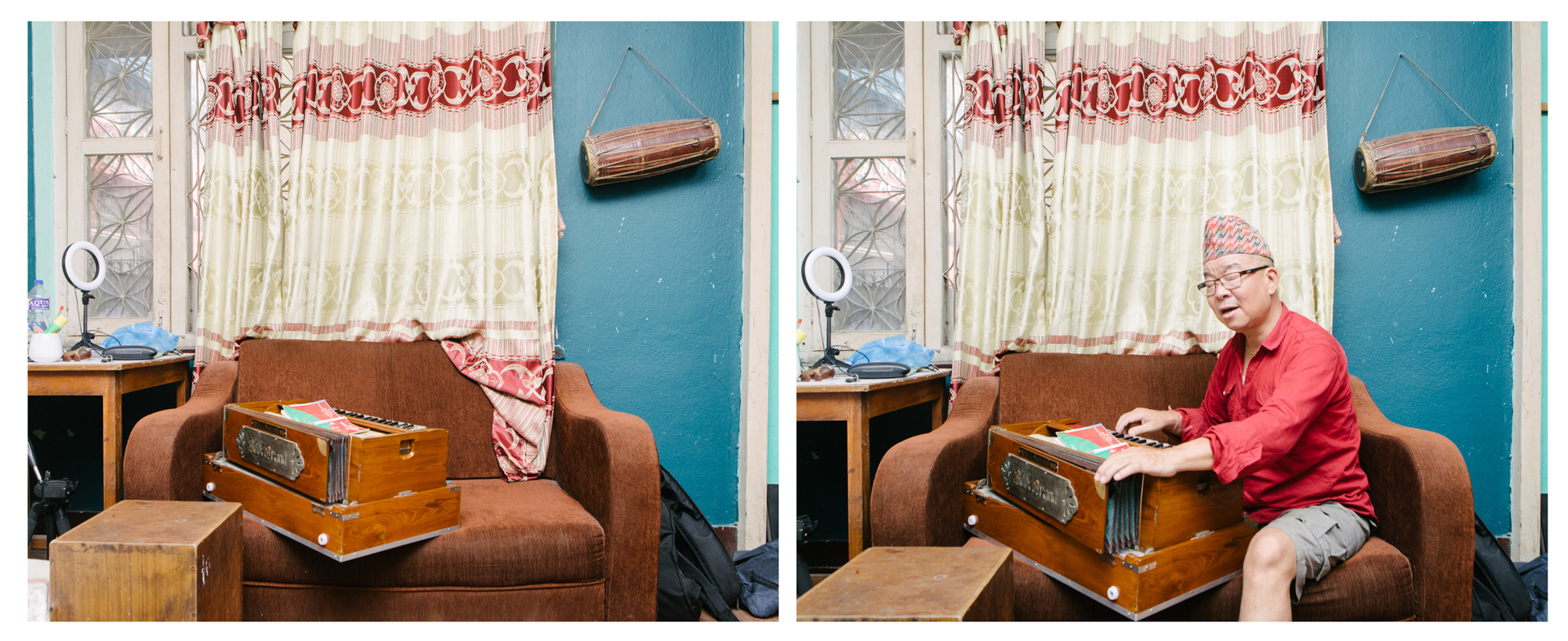
कहिले नमर्ने विचार छ हाम्रो
झुक्दै नझुक्ने आस्था हो हाम्रो
हामीनै हो अमर बन्न सक्ने
जनताको धुकधुकी बनिरहने
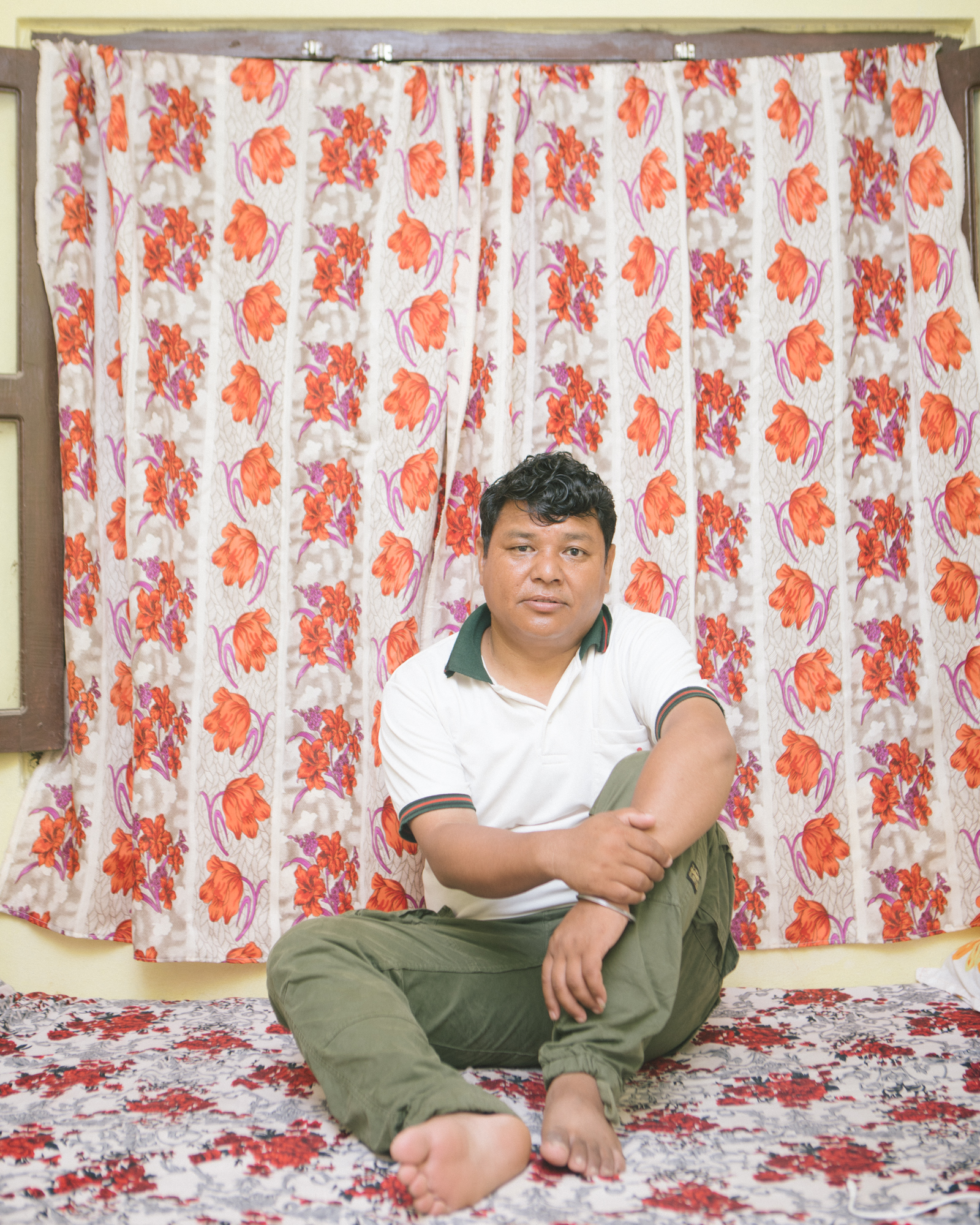
टुट फुट र खण्डित कुरा नगर , कर्ण परियार ‘बिद्रोही’
“We have an ideology that will never die
A belief that will never falter
We are the ones to become immortal
The heartbeat of the people”
‘Don’t talk of Fragments and Fissures’, Karna Pariyar ‘Bidrohi’
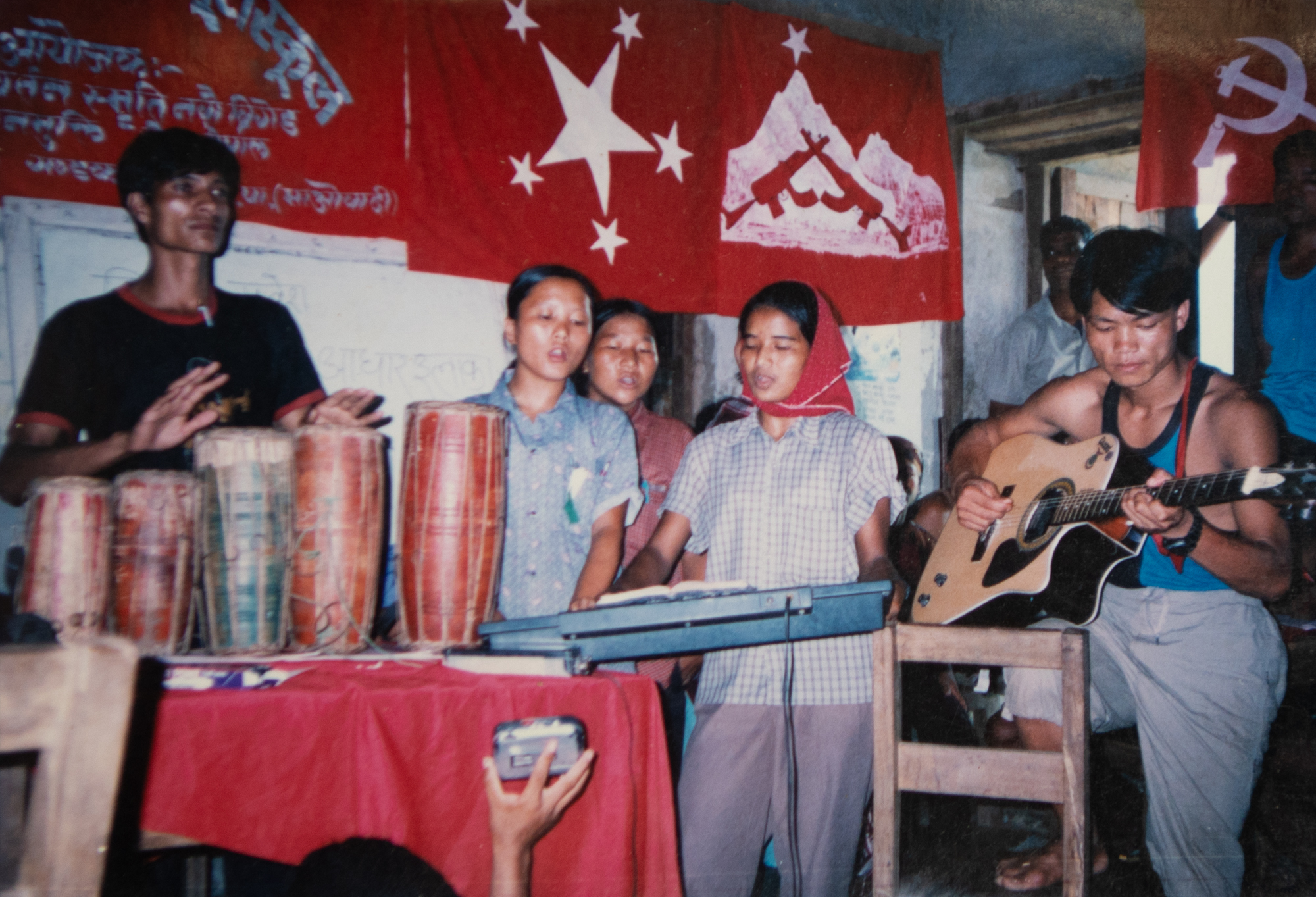
From 1996-2006, Nepal was in the grips of a war that pitted the government forces with the Communist Party of Nepal (Maoists). Around 17,000 were killed, 1300 disappeared, thousands were disabled and millions displaced.
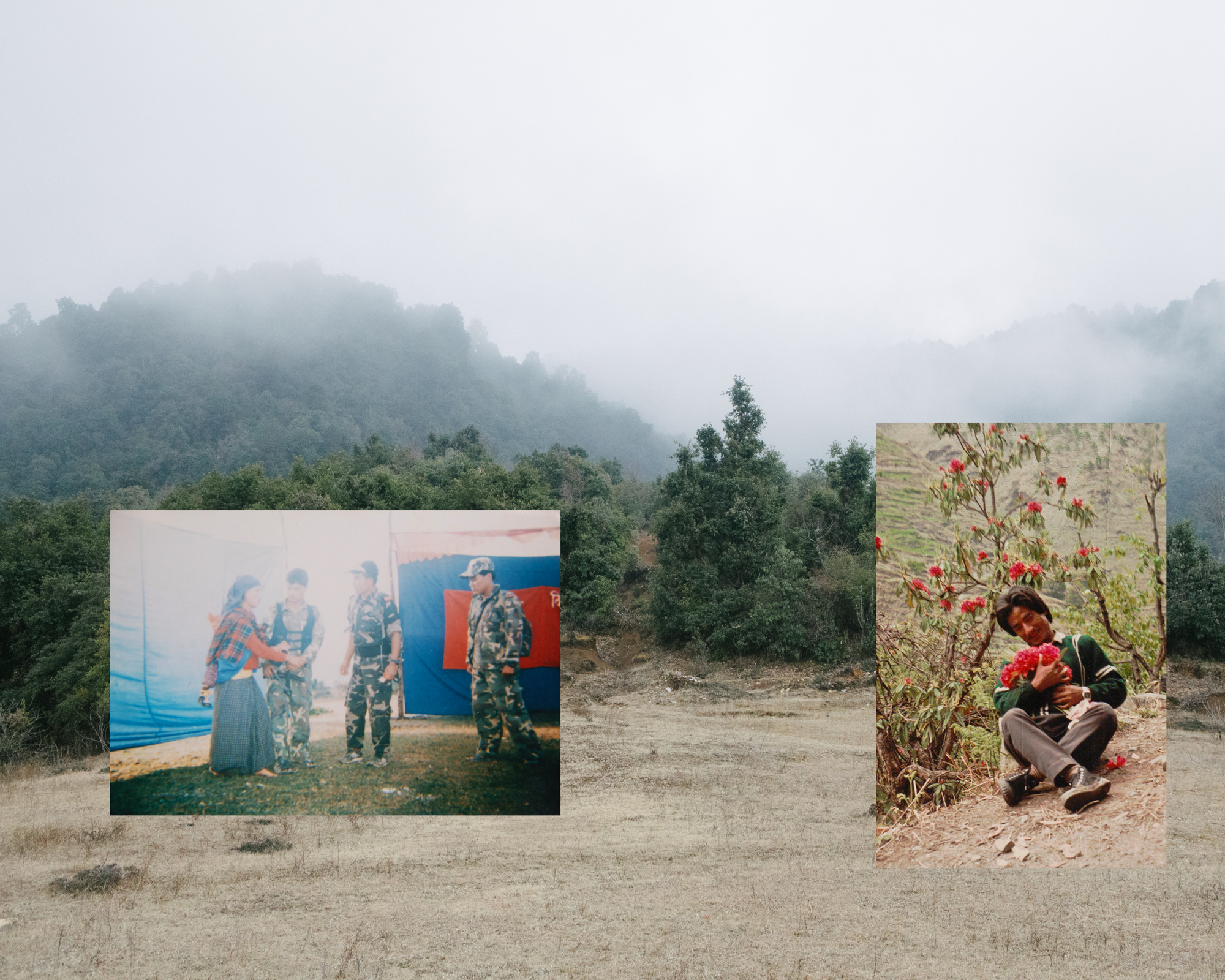
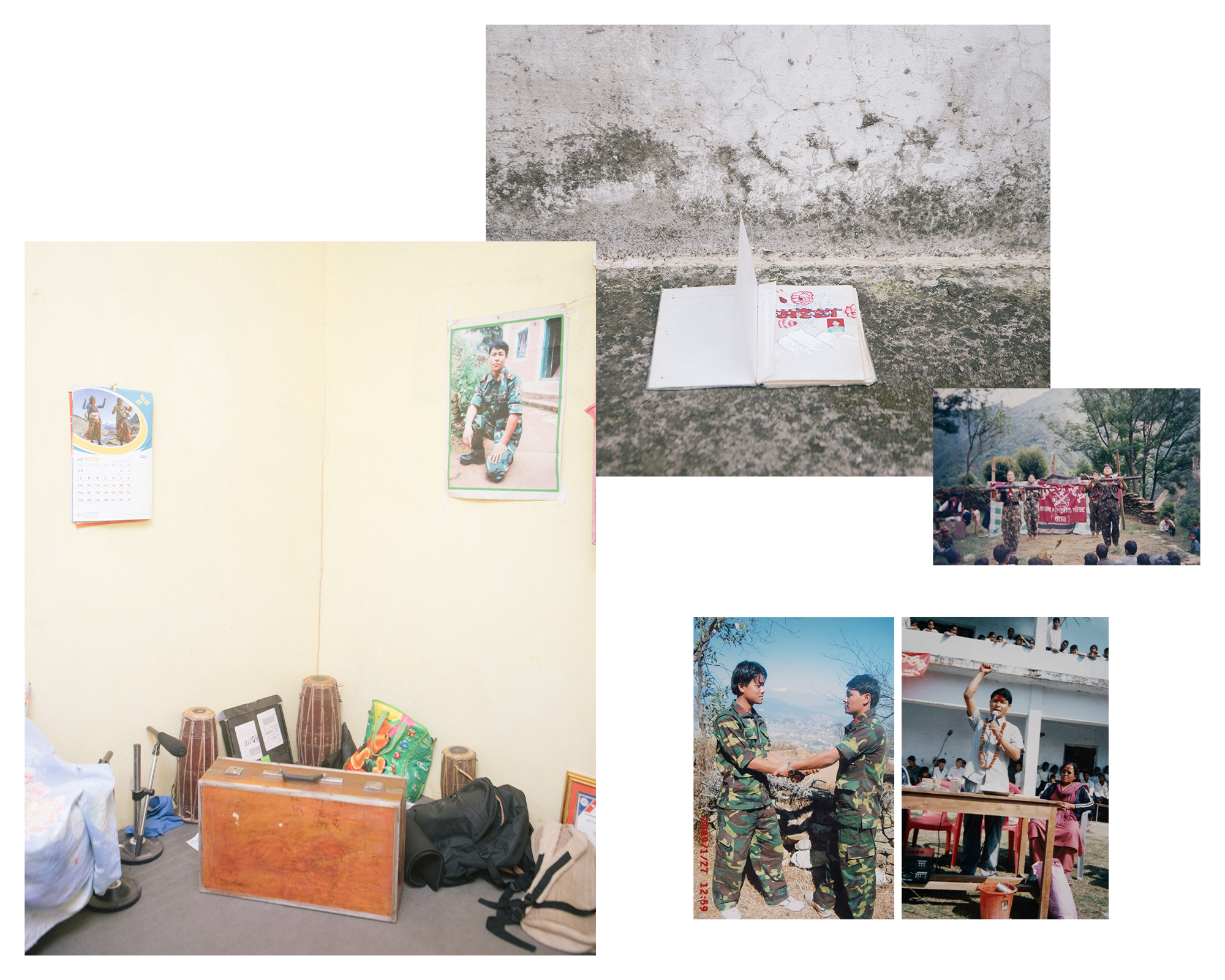
Those ten years witnessed some of the most brutal crackdowns by State forces. And the harder the state pushed, the more successful the Maoist-led People’s Liberation Army (PLA) and its affiliated organizations were in recruiting people. Of course, there were many among these recruits who had been forced to join the PLA. As Mausam Roka, a former PLA fighter and journalist recalls, “Soldiers often shook hands before heading into battle, and they would tell each other that they would meet in the next life if they were martyred. I still wonder what kind of ideology made people face death with such open arms.” That question stayed with me and also how did they manage to so effectively instill thousands with this ideology?
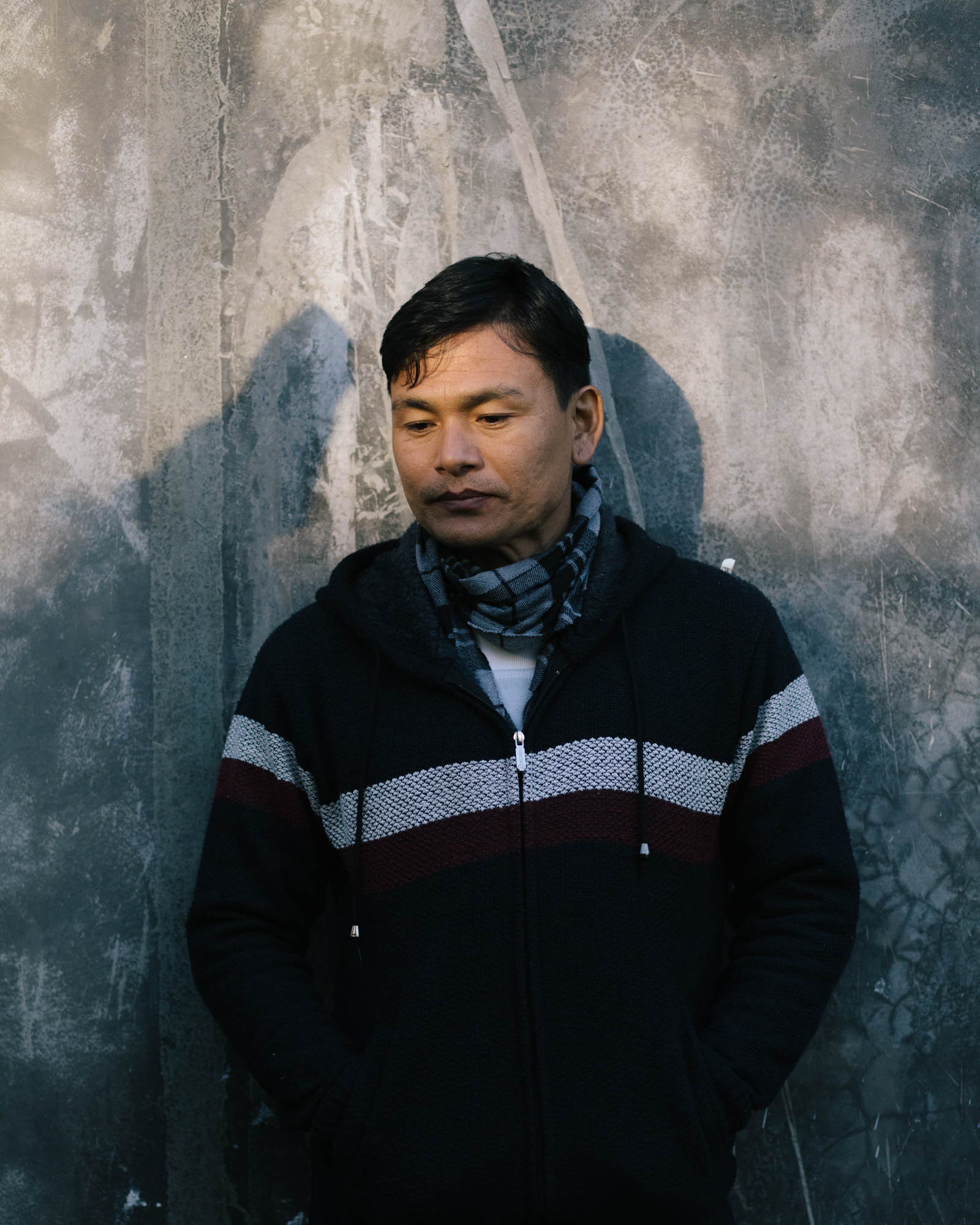
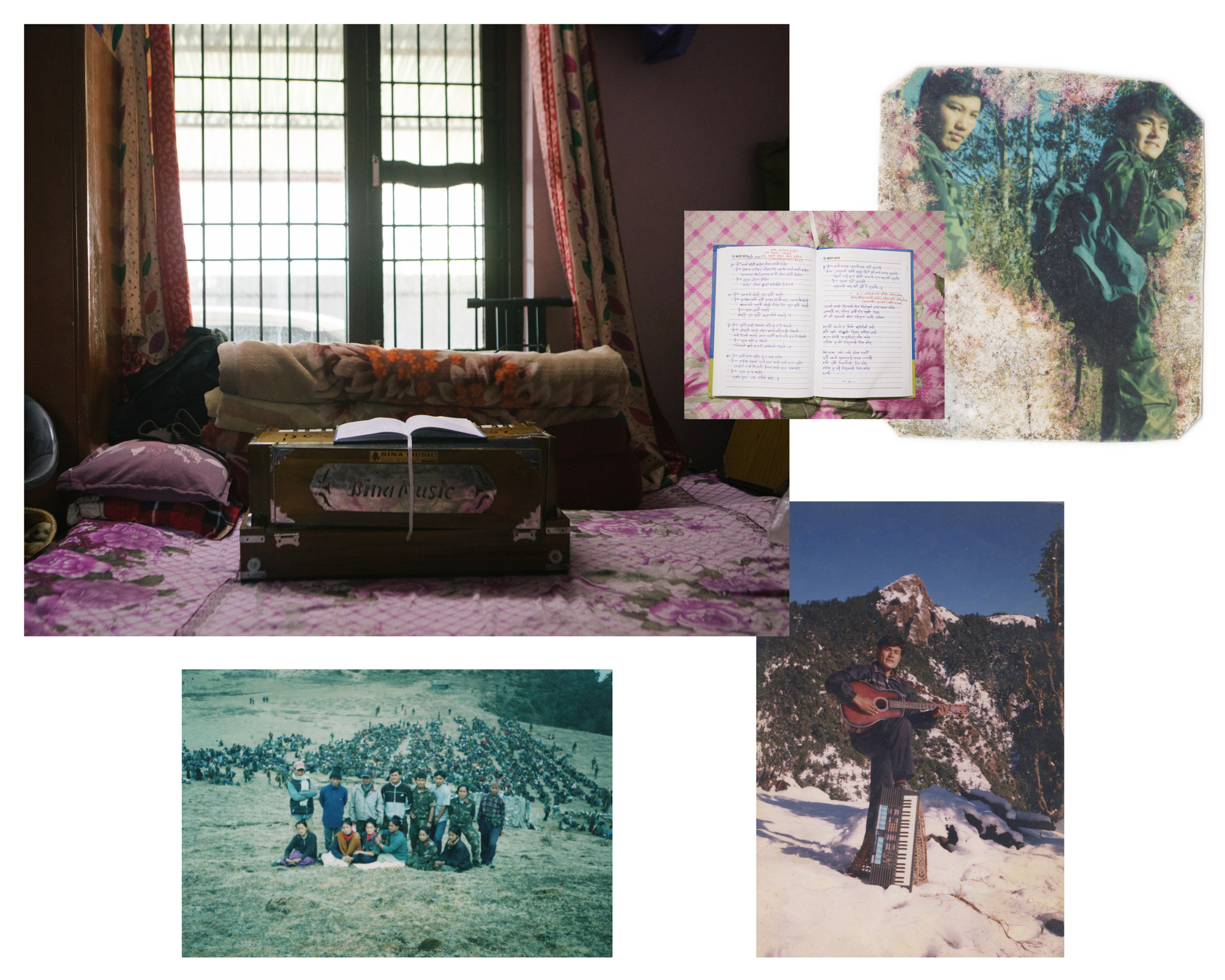
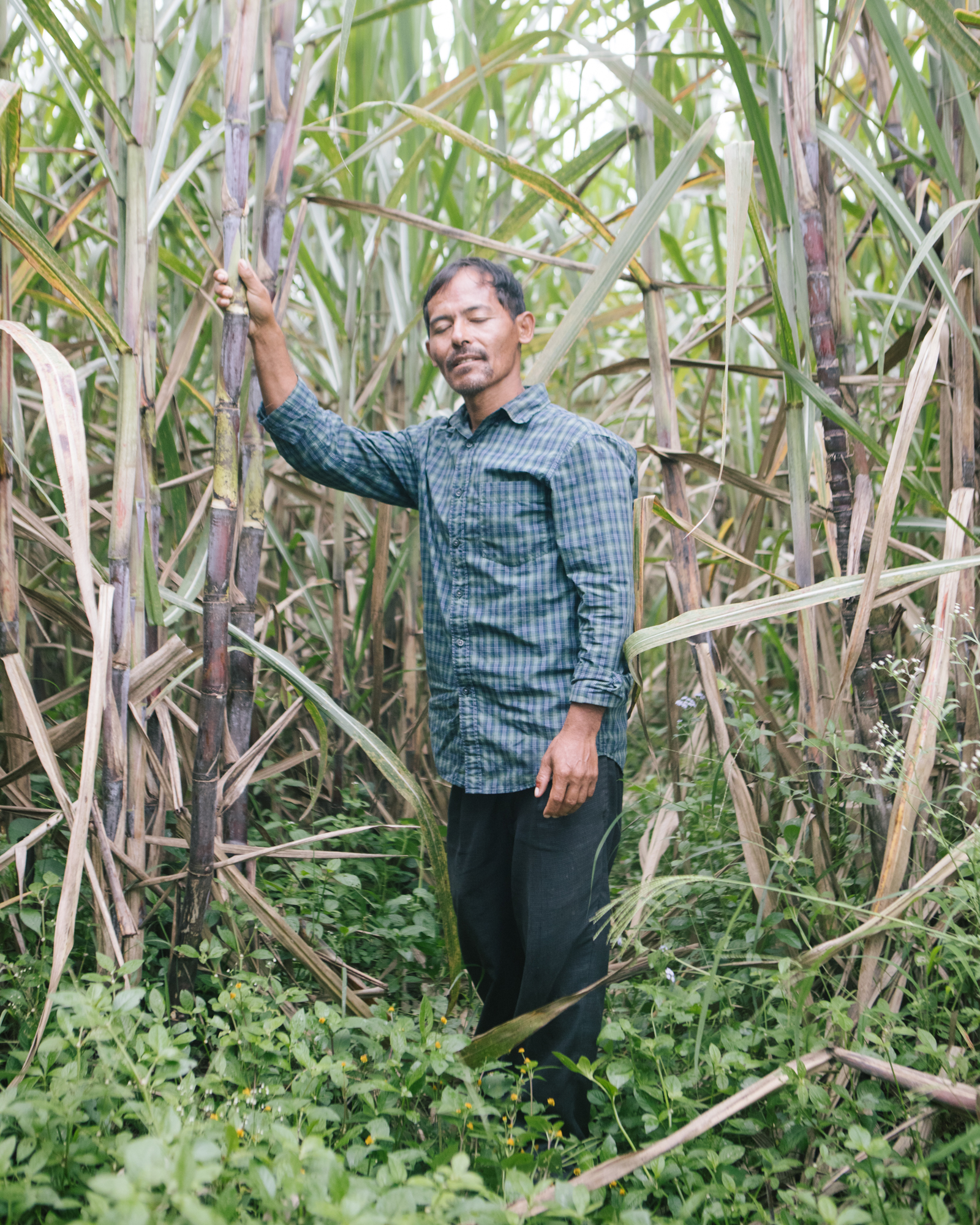
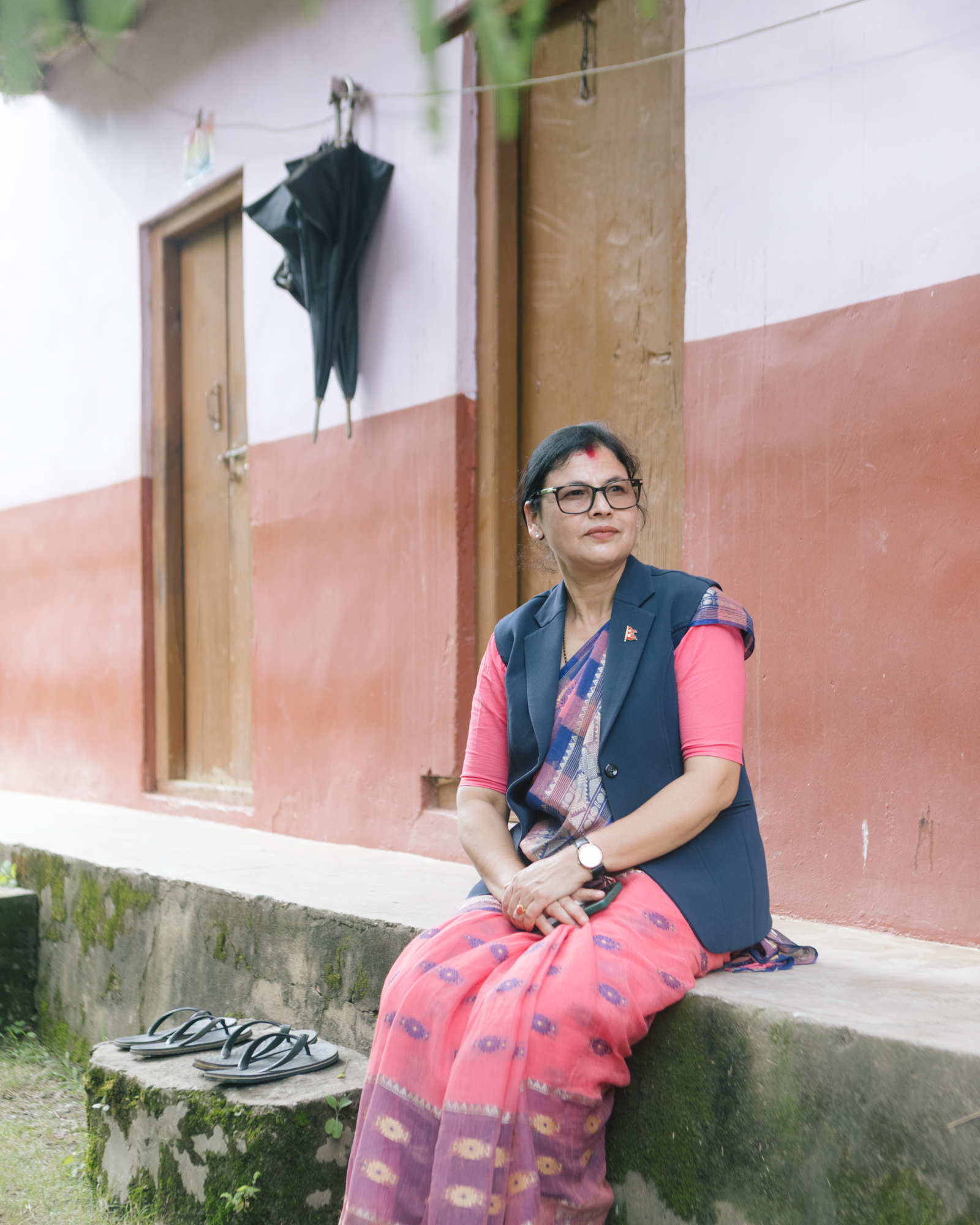
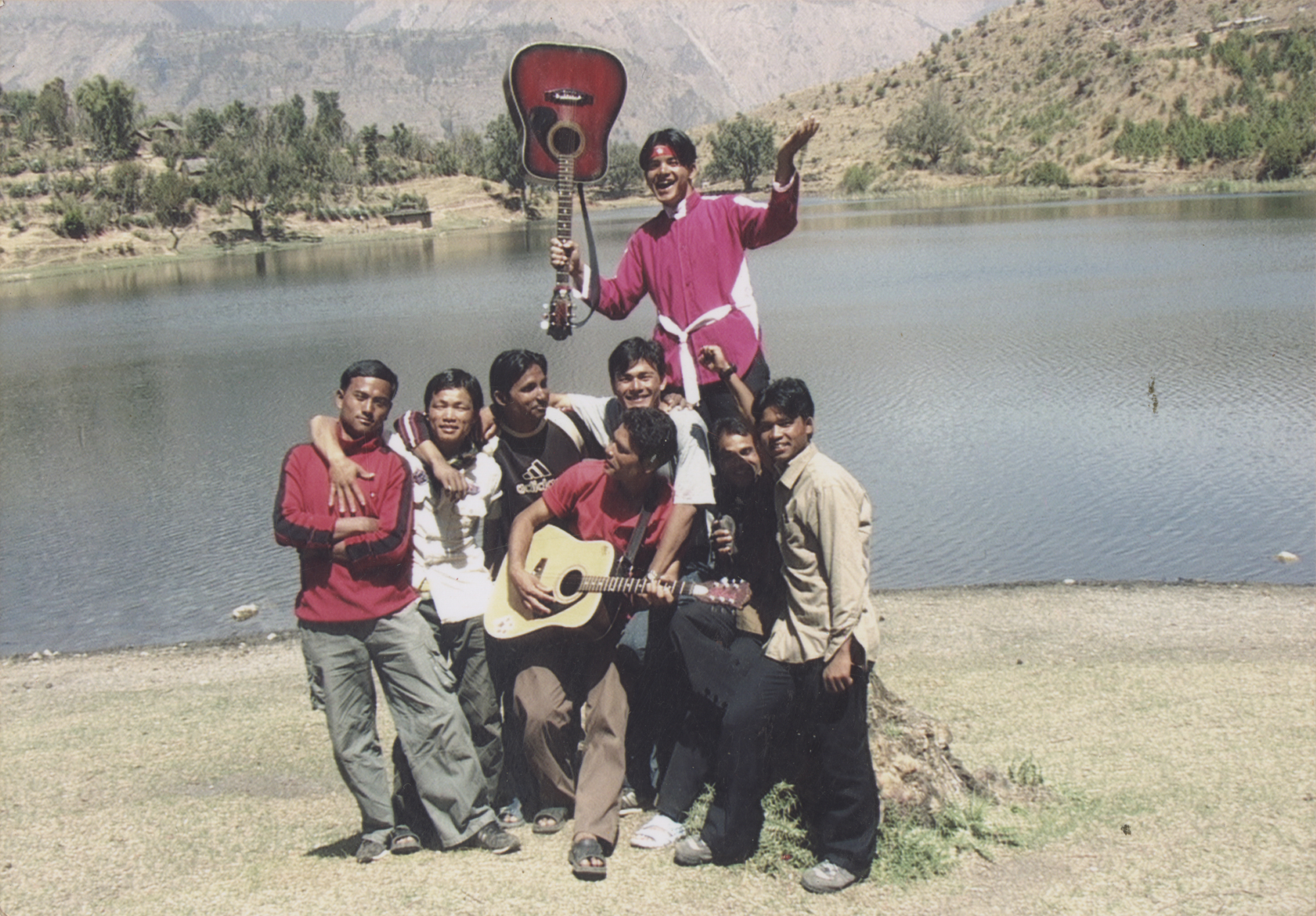
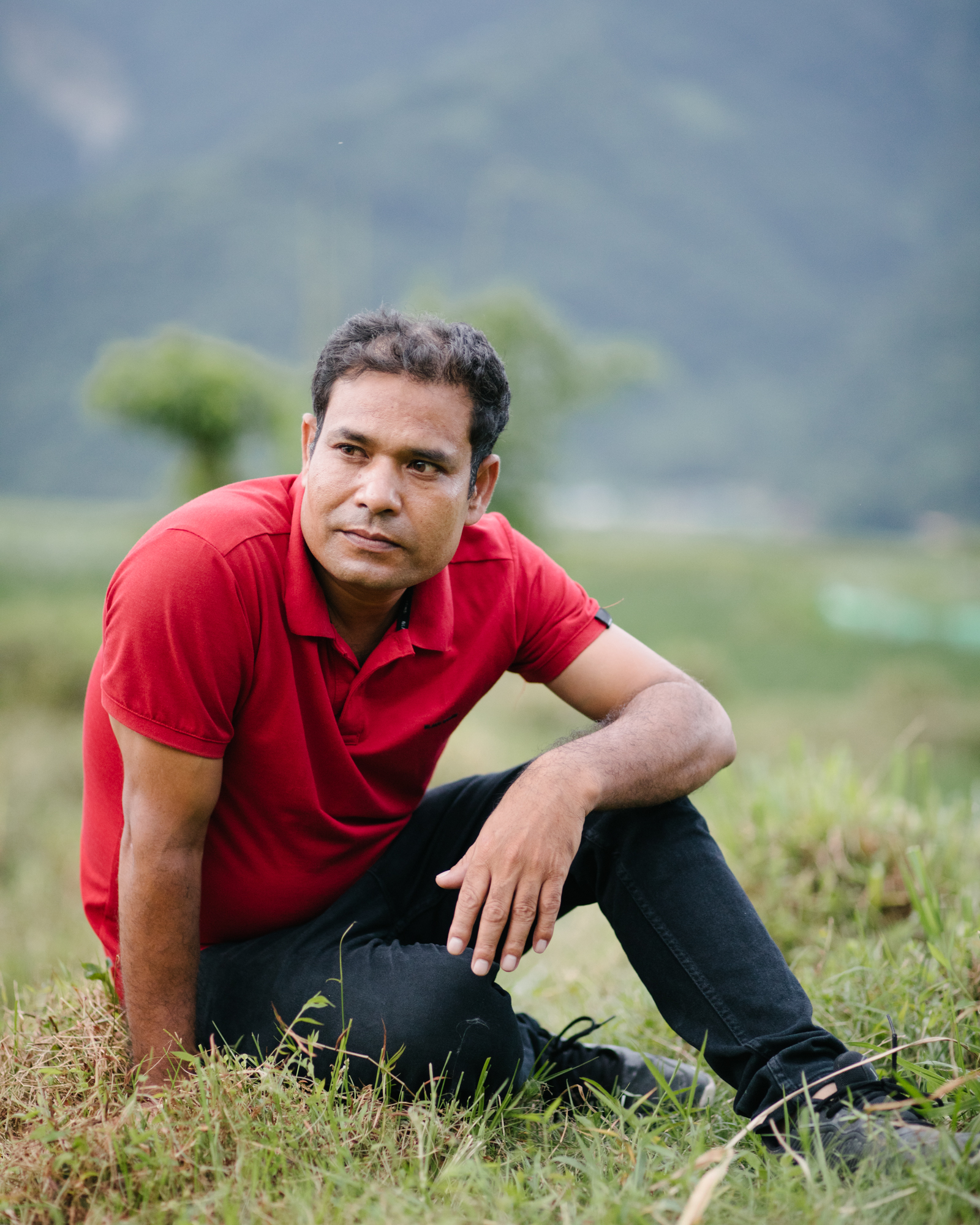
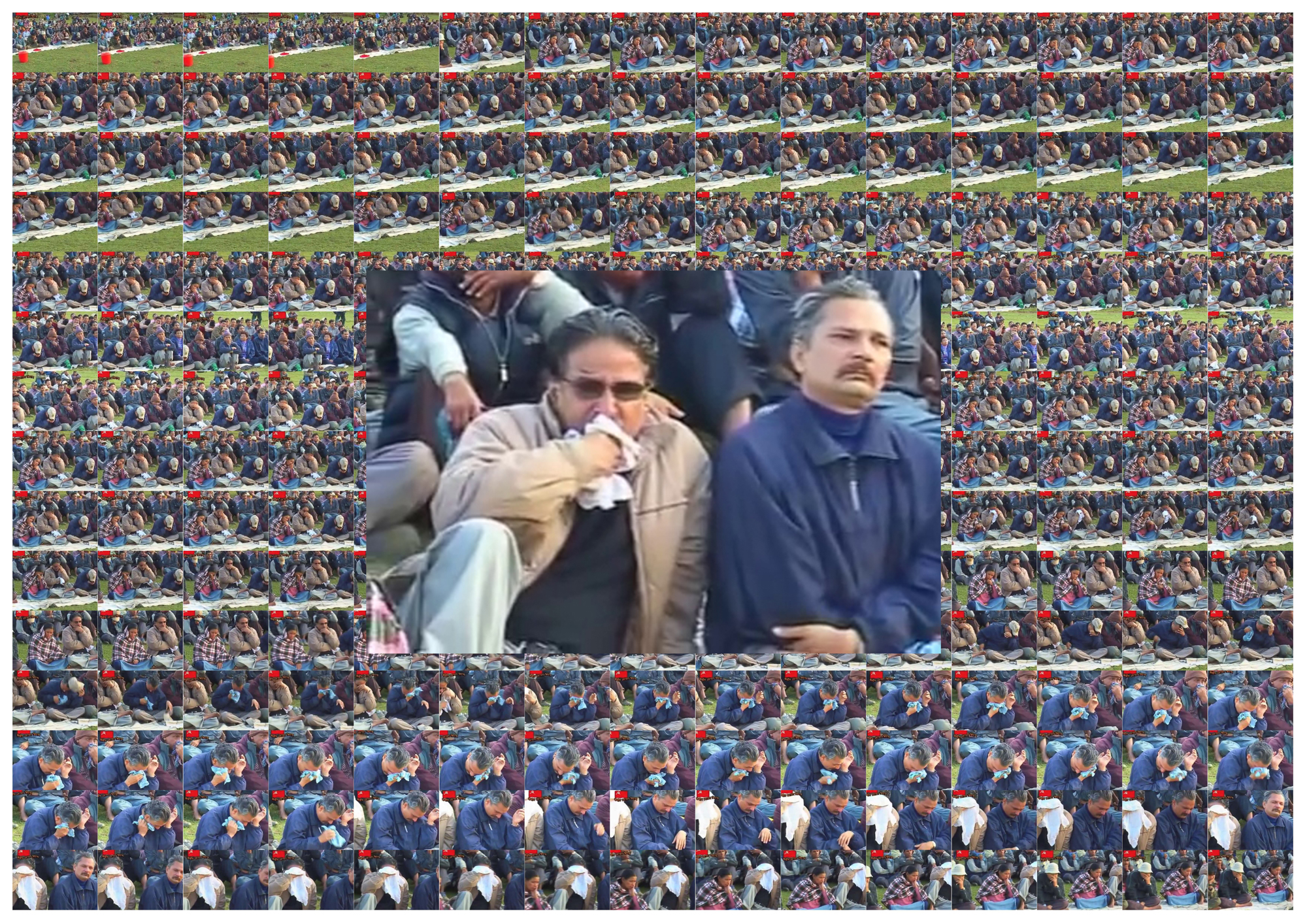
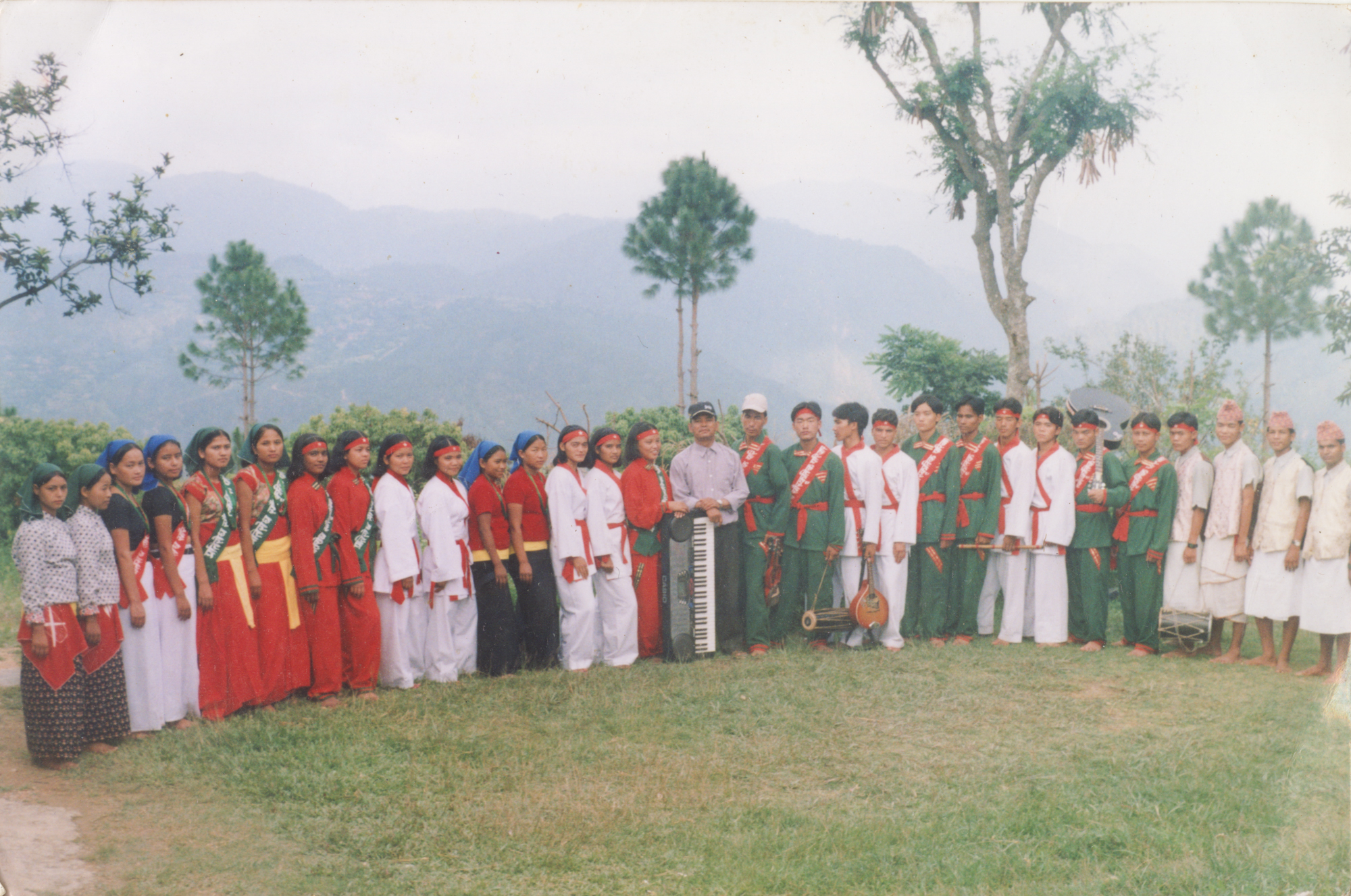
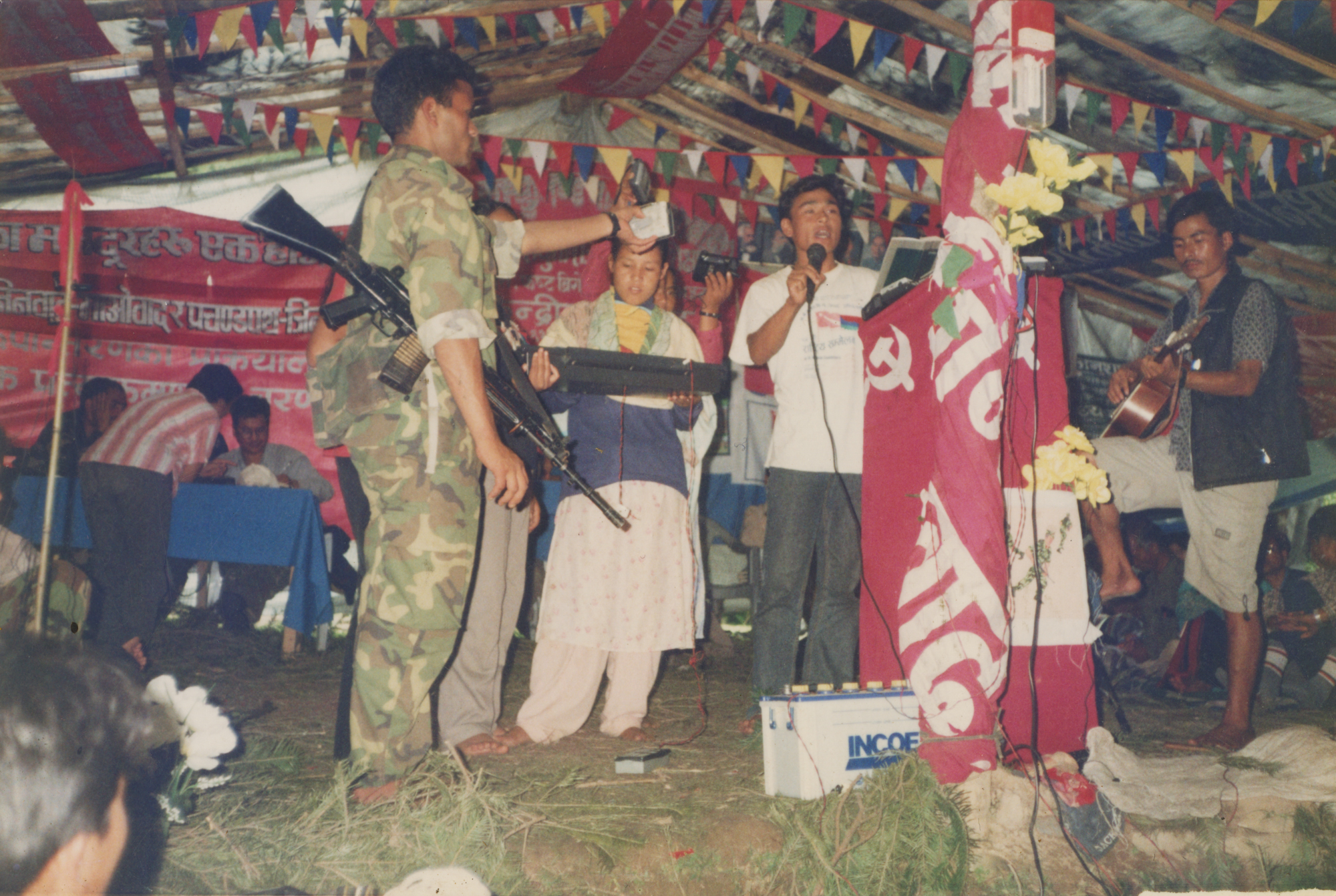
Music was one of the most potent tools during the war. It served not only as propaganda but also as battle cries and a means of catharsis. Laxmi Gurung reflected, “…without music you cannot even imagine the organising, the battles, the energy, the emotions. We could make soldiers cry and also fill them with the energy to fire guns.” Most of the musicians I encountered firmly believed that their songs were essential to the revolution and would bring about change. They poured their hearts into their lyrics and melodies, singing not only of fury, bullets, and bombs, blood painting the land red, the struggle, of war but also of flowers blooming, smiles, warm embraces, love, and of life itself.
‘Don’t talk of Fragments and Fissures’ was written in 2004, amidst the height of the war, when the party leadership had a lot of internal conflicts. The goal was to remind them of what the revolution meant and their responsibility towards that greater aim and the people. Since then, the war has ended, monarchy abolished, the party has entered mainstream politics – leading the government many-a-time, and it has indeed fragmented and fissured.
Mohit Shrestha, a famous Maoist musician, talking about the betrayal and frustration he felt on how the war ended recalls, “These songs couldn’t bring the revolution, they only showed a dream of a revolution. I threw out my old diary with all the songs and music because they couldn’t achieve the radical change, the great revolution.”
Moonsongs for Earth is a musical exploration of the decade long war in Nepal; the dream for a just, egalitarian society and the subsequent betrayal.